Why a Job Search Strategy Isn't Just Nice; It's Your Secret Weapon

Hey there, fellow job hunter! If you're reading this, chances are you're knee-deep in the wild world of applications, LinkedIn scrolls, and that nagging feeling that you're spinning your wheels without getting anywhere. I get it—I've been there, both as a wide-eyed grad tossing resumes into the void and as a business owner sifting through stacks of them. (Spoiler: Most of them? Total misses because they weren't aimed right.) That's why I'm kicking off this blog series on Dancing Zebras Career Guidance with a truth bomb: A solid job search strategy isn't optional—it's the difference between landing a job and landing the job that lights you up, aligns with your values, and sets you up for the long haul.
Back in the spring, I poured my heart into creating several e-guides that have become a lifeline for women like you feeling stuck. (If you haven't grabbed any yet, they’re waiting for you in the shop—all practical steps, no fluff.) That guide was born from my own early frustrations and triumphs, and one core piece kept bubbling up: strategy. Without it, job hunting feels like wandering a foggy forest, hoping to stumble on a clearing. With it? You're the one charting the map, dodging dead ends, and heading straight for the view that matches your horizon.
In this post, we're diving deep into why crafting a job search strategy is non-negotiable, especially if you're a recent grad, career switcher, or anyone in that 20-35 sweet spot who's tired of "entry-level" postings that demand a PhD in something unrelated. We'll unpack how it helps you snag not just good jobs (think: decent pay and tolerable hours) but right ones (the kind where your values, skills, and sanity all align). I'll share real-talk tips, a quick framework to get you started, and even a zebra-striped reminder to keep things fun. Ready to trade chaos for clarity? Let's do this.
The Chaos Trap: Why Winging It Backfires (And Drains Your Soul)
Picture this: You wake up, brew your coffee, and think, "Okay, today I'll apply to 10 jobs." Sounds productive, right? Wrong. Without a strategy, you're basically playing job search roulette—spinning through postings that vaguely match your degree but ignore what keeps you motivated. I remember my first post-college hunt: I applied to everything from marketing gigs to admin roles, to feel like I was "doing something." The result? Silence, a bruised ego, and a side of existential dread.
Here's the kicker: Random applications don't just waste time; they erode your confidence. Studies from career sites like Indeed show that unstructured searches lead to 40% higher burnout rates among young professionals. You're not just competing with other candidates - you're up against algorithms that favor tailored resumes and networks you haven't built yet. And worse? You might land something "good" on paper (a paycheck that covers the rent), but if it clashes with your values (say, you crave creative freedom, but it's a cubicle drone fest), you'll be back on the hunt in a year, resume frazzled and spirit frayed.

A strategy flips the script. It turns you from a passive applicant into a proactive explorer. Think of it as your personal GPS: It knows your starting point (your skills and must-haves), your destination (roles that vibe with your life goals), and the best routes (hidden opportunities, not just the obvious highways). In my guides, I hammer this home because I've seen it work wonders, like for Sarah, a reader who went from zero callbacks to a marketing coordinator spot at a nonprofit she adores, all because she mapped her search around her passion for community impact.
Beyond the Grind: How Strategy Lands You the Right Fit, Values and All
Okay, so strategy gets you interviews. But why obsess over the "right" job? Because life's too short for soul-sucking commutes and bosses who ghost your ideas. A good job pays the bills; the right one fuels your fire. And here's where values come in—they're your non-negotiables, the stripes that make you uniquely you. They're not fluffy buzzwords; they're the guardrails that keep you from veering into burnout or regret. Think of them as your internal compass: If your values point north toward growth and collaboration, but the job's driving you south into cutthroat competition, you're not just off-track, you're exhausted before you even start.
Start by getting crystal clear on your values. Here’s a quick exercise: Jot down three work wins from your past (even internships or volunteer gigs) and three deal-breakers (like "no micromanaging" or "must support work-life balance"). Dig deeper—what made that volunteer shift at the animal shelter feel electric? Was it the teamwork, the tangible impact on those fluffy rescues, or the freedom to brainstorm silly fundraising ideas? For me, as a former business owner juggling Dancing Zebras on the side, flexibility was king—I hired people who thrived in collaborative chaos. When I coach now, I see the same patterns, especially among young women in that 20-35 age group: we often undervalue our need for inclusive cultures, ongoing learning, or even basic respect for boundaries, settling for "safe" over "spark" because society whispers that stability trumps soul.
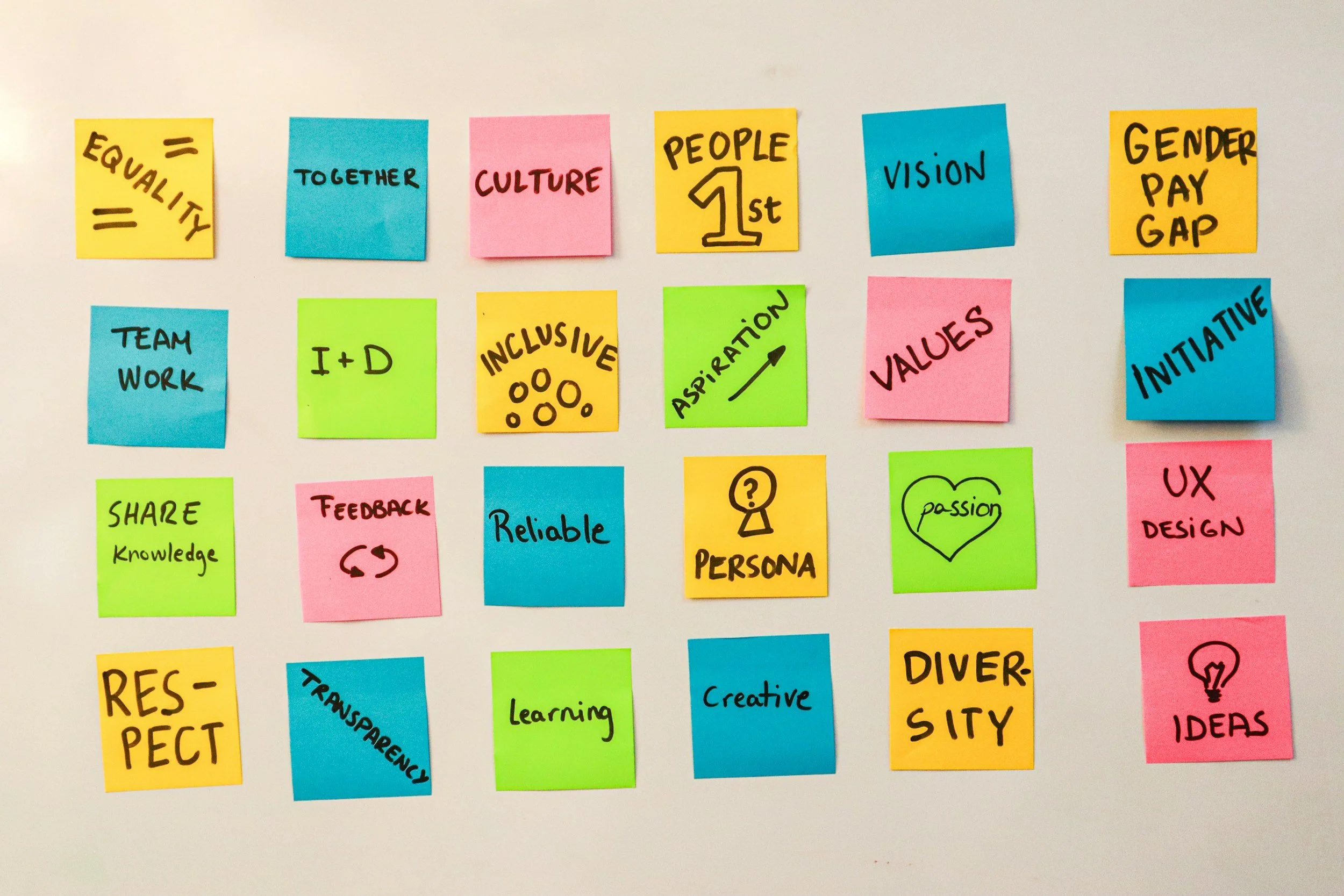
A strategy weaves these in from the start. Instead of shotgun applications, you typically target companies whose missions align with your values (think scanning Glassdoor for "values-driven" vibes, LinkedIn for leaders posting about equity, or even Reddit threads where employees spill details on culture fits). It also uncovers hidden jobs: 70% of roles aren't posted publicly, as per LinkedIn data. Strategy means networking with intent (more on that in a sec) and customizing your pitch to show, "I'm not just qualified—I'm your person." You're not begging for a seat at the table; you're pulling up a chair because your values already match the menu.
Some Case Studies
Here are some examples, because theory without stories is like stripes without zebras—totally bland. I've pulled them from my coaching clients (names changed, of course) to show that aligning your values isn't abstract; it's the game-changer that turns "meh" opportunities into "hell yes."
Take Sarah, the marketing whiz I mentioned earlier. Fresh out of college with a communications degree and a volunteer gig at her local food bank, her top values were community impact and creative storytelling. She hated the idea of peddling widgets for big corporations, which felt too soulless. Without a strategy? She'd have blasted generic apps to any "marketing assistant" listing, perhaps landing a job at a chain retailer where her ideas got buried in spreadsheets. With it? She mapped her search to nonprofits and social enterprises. She keyword-hunted "mission-driven marketing roles" on Idealist.org, tailored her resume to spotlight those food bank campaigns (framing them as "audience-engaged content strategies"), and networked via alumni groups toward organizations like an urban farming collective. And, boom: a position as a marketing coordinator at a nonprofit fighting food insecurity landed in her lap! Six months in, she's not just clocking hours, she's crafting viral social campaigns that feed hundreds, with a team that celebrates her quirky video edits. Pay's solid (entry-level but with purpose perks like flexible PTO), but the alignment? Priceless. Sarah's confidence skyrocketed; she's already eyeing a senior role there, not plotting an escape.

Then there's Mia, the career switcher from corporate admin to communications in sustainability. Mid-20s, burnt out from a bank job where "efficiency" meant 60-hour weeks and zero green initiatives, her values screamed environmental stewardship and work-life harmony. Deal-breaker: anything fossil-fuel related. Random searching would've funneled her into more desk-drudgery; strategy redirected her to eco-brands via tools like GreenBiz job boards. We audited her "wins" (organizing office recycling drives that actually stuck) and built a narrative: "Proven at turning admin chaos into sustainable systems." She reached out to podcast hosts in the green space for "informational chats," landing an unposted remote role at a solar tech startup. Now? She's drafting press releases on carbon-neutral innovations, logging off at 5 for yoga, and feeling like her daily grind is greening the planet. Gallup polls are right, value-aligned folks are 21% more productive, but for Mia, it's 100% more joyful. She emailed me last week: "This isn't a job; it's my launchpad."
Or picture Elena, a graphic designer chasing autonomy and cultural sensitivity. Post-maternity leave, she nixed agencies with crunch-time deadlines, targeting indie studios via Behance portfolios that shouted "collaborative creativity." Her strategy uncovered a freelance-to-full-time path at a multicultural advertising firm. She now creates campaigns for global brands with input from the communities they serve. No more "just follow the brief"; she's co-creating, with hybrid hours that let her crush school drop-offs guilt-free.
These aren't unicorns—they're what happens when you filter through your values lens. Misalign, and even a "dream salary" sours fast: I coached a client who grabbed a high-pay consulting position while ignoring her collaboration value—solo projects galore. Three months of isolation later? Back to square one, resume updated with "learned what I don't want." Strategy spares you that detour.
Your job search strategy allows you to evaluate opportunities early on. For example, if sustainability is important to you, consider shifting your focus to companies in the green technology sector. Use my resume templates to emphasize transferable skills, such as creating data visualizations for impact reports. Or, if you value lifelong learning, avoid companies that offer little room for growth and instead target those that provide benefits like tuition reimbursement or in-house training programs. The rewards include greater job satisfaction, reduced employee turnover (LinkedIn reports that hires whose values align with the company stay twice as long), and the positive feeling of anticipating the workweek on Sunday evenings rather than dreading it.
In short, aligning your values with those of a potential job or future employer isn't a nice-to-have; it's your strategy's soul. It ensures the job doesn't just fit your skills but feeds your spirit, turning Monday into momentum.
Wrapping It Up: Your Strategy, Your Spotlight
Job searching without a strategy? It's like dancing blindfolded—energetic, maybe, but you'll trip over toes (and your own feet). With one, you're leading the waltz: graceful moves toward a role that honors your values, leverages your strengths, and whispers, "This is where you belong." I've seen it transform "stuck" into "soaring" for many young women through my guides and coaching at Dancing Zebras. You're not just hunting a job—you're claiming your path.
If this resonates, drop a comment: What's your biggest strategy roadblock? Let's troubleshoot together. Until next time, keep those stripes bold—you've got this.
Zebra hugs
Jessica - Founder, Dancing Zebras Career Guidance